
Supporting equitable access to legal and regulated psychedelic medicine for all Canadians.
ABOUT OUR WORK
Working with partners in government, business, and the community, MAPS Canada is committed to advancing psychedelic medicine by supporting scientific, multidisciplinary research; advocating for drug policy reform; offering public education; and supporting equitable access to legal and regulated psychedelic medicine in Canada.
LATEST AT MAPS CANADA

February 20, 2026
MAPS Canada presents:
The Medicine Within | Ep. 2: Breath as Medicine: Healing Without Psychedelics with Krystal Charlotte

February 13, 2026
MAPS Canada presents:
Ketamine & Connection: Love, Sex, Psychedelics & the Self with Angela Ivy Leong
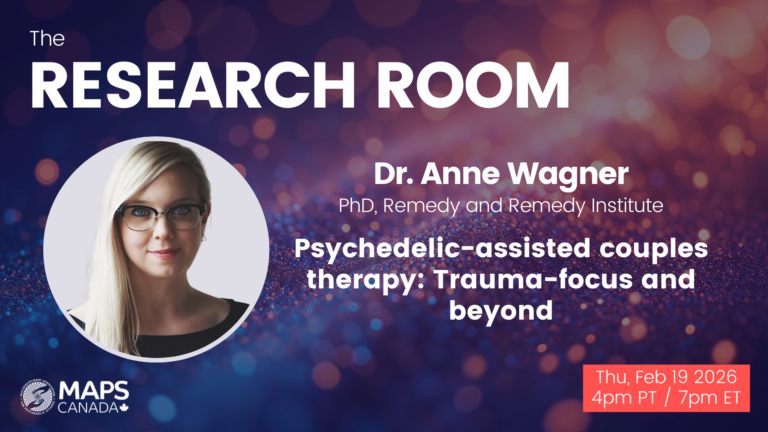
February 19, 2026
MAPS Canada presents:
Psychedelic-Assisted Couples Therapy: Trauma-focus and beyond
Thu, February 19th, 7pm EST / 4pm PST
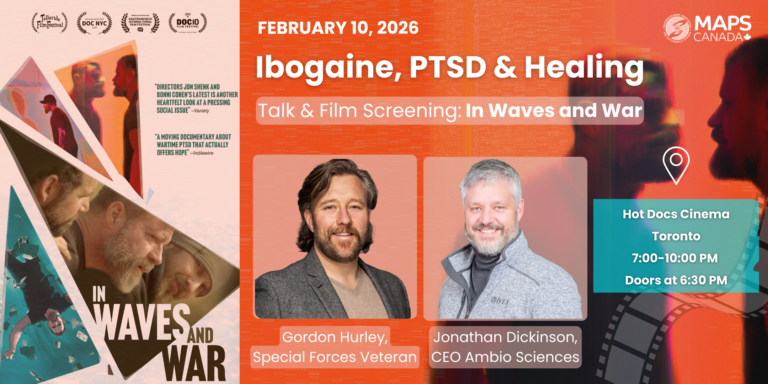
February 10, 2026
MAPS Canada presents:
Talk and Film Screening: In Waves and War
Tue, February 10th, 7-10pm EST
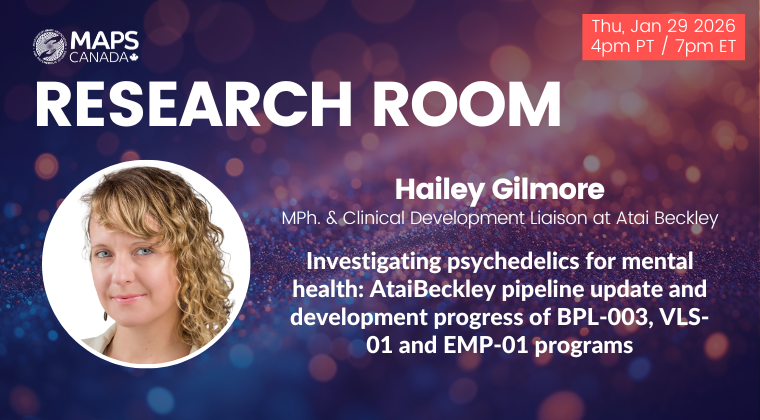
January 29, 2026
MAPS Canada presents:
AtaiBeckley portfolio update: taking DMT and MDMA derivatives through the FDA pathway
Thu, January 29th 7pm EST / 4pm PST
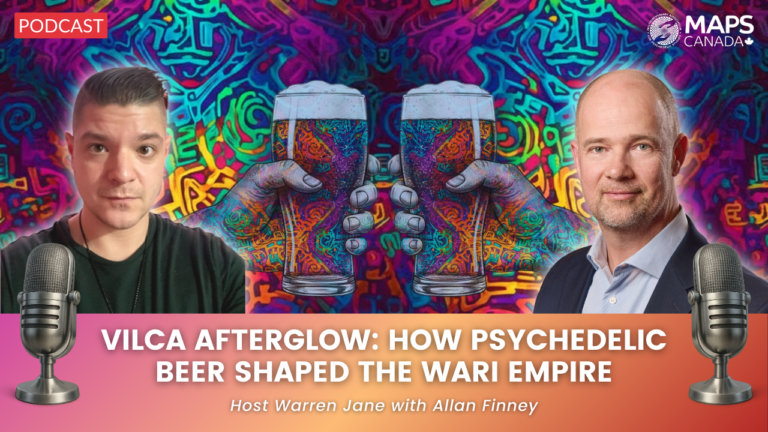
January 30, 2026
MAPS Canada presents:
Vilca Afterglow: How Psychedelic Beer Shaped the Wari Empire with Justin Jennings
January 23, 2026
MAPS Canada presents:
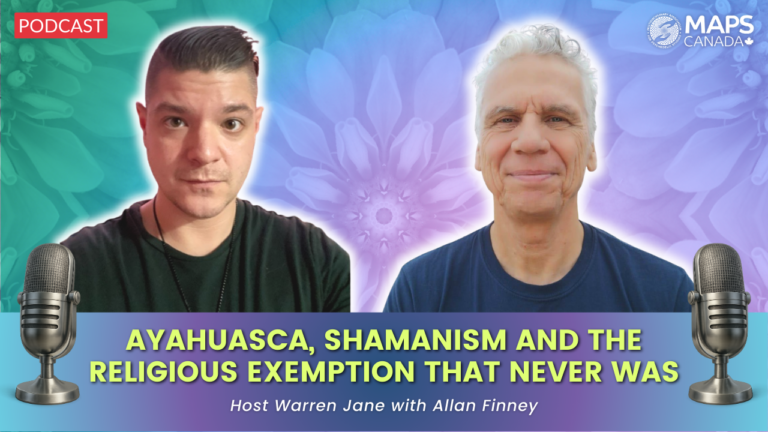
Ayahuasca, Shamanism and the Religious Exemption That Never Was with Allan Finney
January 28, 2026
MAPS Canada presents:
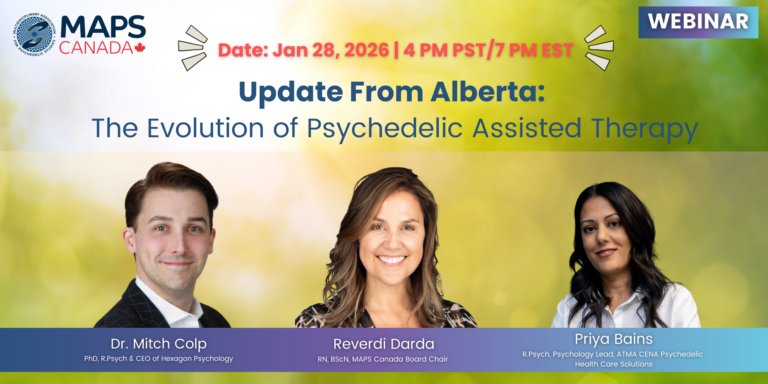
Update From Alberta: The Evolution of Psychedelic Assisted Therapy
Wed, January 28th 7pm EST / 4pm PST
As psychedelic-assisted therapy (PAT) continues to develop within Canada’s regulated healthcare landscape, regulatory bodies are increasingly clarifying expectations related to competence, boundaries, accountability, and collaboration, particularly where psychotherapy intersects with medically regulated substances.
In Alberta, professional guidance from the Alberta College of Social Workers (ACSW) and expectations articulated by the College of Alberta Psychologists (CAP), make it clear that psychedelic-assisted therapy cannot be practiced in isolation. Instead, it requires interdisciplinary, team-based models of care that align psychological practice with medical oversight, ethical standards, and regulatory compliance.
This webinar will explore how evolving scope of practice and regulatory interpretation are shaping who can do what, under what conditions, and in collaboration with whom in psychedelic-assisted therapy.
Particular attention will be given to co-care and interdisciplinary models as practical, compliant pathways that support access, continuity of care, and professional integrity across disciplines.
Participants will be invited to:
- Reflect on how evolving scope of practice impacts their professional roles
- Identify where interdisciplinary models can strengthen compliance and care
- Engage with MAPS Canada’s ongoing advocacy and policy efforts to support responsible psychedelic-assisted therapy pathways
Learning Objectives
- Understand evolving scope of practice
Examine how psychology roles are expanding and being clarified in the context of PAT and identify responsibilities related to assessment, preparation, integration, and therapeutic care - Explore regulatory guidance in Alberta/Canada
Learn about the National Guidance and evolution in scope of practice, and review AB expectations regarding therapist participation within regulated, interdisciplinary frameworks - Examine interdisciplinary and co-care models
Understand why team-based care is increasingly required for compliant PAT delivery and explore how co-care models (AB specific) support ethical practice, role clarity, and shared accountability. - Translating policy into practice
Gain practical insights for clinicians, clinics, and organizations navigating evolving regulation and scope
Panelists:
Priya Bains – R. Psych. Psychology Lead, ATMA CENA Psychedelic Healthcare Solutions
Priya is a registered psychologist and has been working in collaboration with clients for nearly 20 years in Alberta. Early in her career, she was introduced to somatic therapy and trauma therapy, which sparked her curiosity about how the body holds psychological burdens and patterns. Her undergraduate degree in neuropsychology shaped her belief that everything psychological is, at its core, biological. As a Certified Hakomi Practitioner, she learned various frameworks for understanding developmental patterns and the “stuckness” clients often experience. Her work is informed by Self-Regulation Therapy, Somatic Experiencing, Attachment Theory, and Hakomi. Her curiosity later led her to explore psychedelic medicine and its potential to facilitate the softening and opening of the unconscious mind, which allows for easier access to these stuck patterns.
Priya currently works at ATMA CENA in Edmonton as a clinician on the interdisciplinary team and also provides leadership and supervision in psychedelic-assisted psychotherapy and somatic therapy.
Dr. Mitch Colp – Ph.D., R. Psych, CEO Hexagon Psychology
Dr. Mitch Colp is a Registered Psychologist and Chief Executive Officer of Hexagon Psychology. He has held senior clinical and executive leadership roles across Alberta and within national professional associations. His work focuses on psychological assessment, consultation, and intervention with children, adolescents, and adults in school and private practice settings. Dr. Colp also supports the development of training standards, ethical guidelines, and workforce frameworks in psychology. He holds academic appointments with multiple Canadian universities and regularly delivers national training in psychological assessment, ethical decision-making, and evolving regulatory and professional practice standards.
Host:
Reverdi Darda – RN, BScN , Board Chair MAPS Canada
Reverdi Darda, RN is the Founder & CEO of ATMA CENA Psychedelic Healthcare Solutions, a Canadian organization pioneering a co‑care model that pairs community therapists with robust medical oversight to deliver evidence‑based psychedelic‑assisted therapies. Drawing on 35 years of nursing and executive experience, Reverdi has built a national network of clinics and practitioners who support legal access to ketamine assisted therapy, as well as psilocybin, and MDMA assisted therapy under Health Canada’s Special Access Program. She champions interdisciplinary teamwork, culturally informed practice, and the use of digital tools to make innovative mental‑health care safe, scalable, and equitable.
An active policy advocate and MAPS Canada board member, Reverdi works to enhance access to underserved communities and advance real‑world research in psychedelic medicine.
January 14, 2026
MAPS Canada presents:
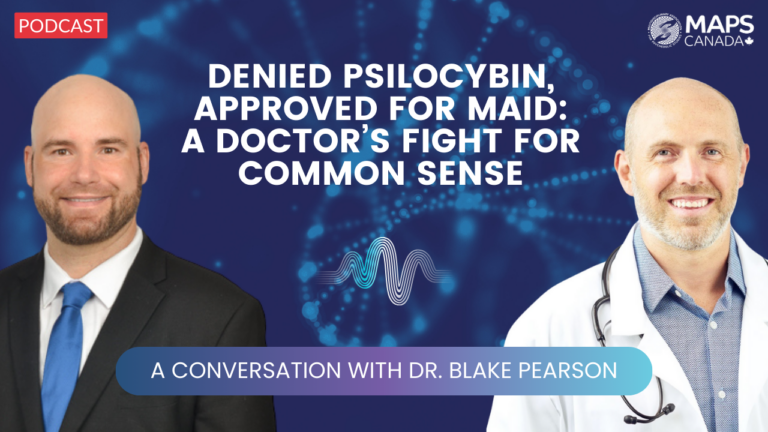
Denied Psilocybin, Approved for MAiD: A Doctor’s Fight for Common Sense
In this episode of the MAPS Canada podcast, policy and advocacy team member Kyle Sittek-Lumsden speaks with Dr. Blake Pearson about his father Pete Pearson’s experience with existential distress as well as the application process for psychedelic-assisted therapy and medical assistance in dying. They talk about the personal difficulties related to a terminal diagnosis and how Pete’s SAP application was denied after an 11 month waiting period while his MAiD request was accepted within 30 days. Join us for this moving and emotional discussion on how these two policy issues intersect in a real-world case. If you would like to show support for Pete’s case to receive compassionate access to psychedelic-assisted therapy through a section 56. exemption, please email the Minister of Health here.
January 12, 2026
MAPS Canada presents:
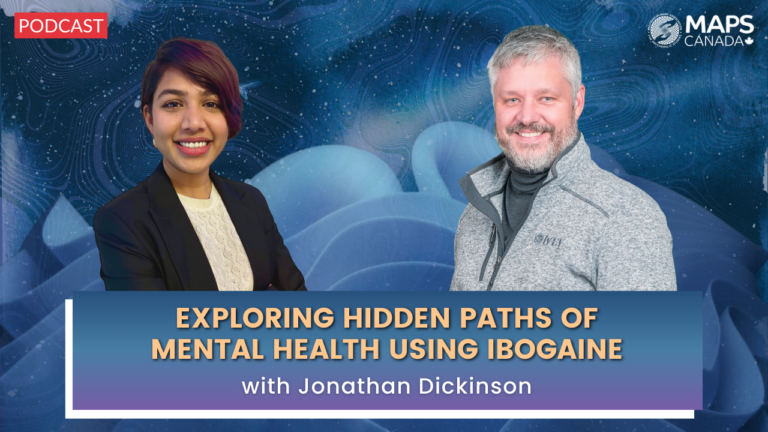
Exploring Hidden Paths of Mental Health Using Ibogaine with Jonathan Dickinson, Ambio Life Sciences
What happens when an ancient plant medicine meets cutting‑edge neuroscience and careful clinical protocols?
This episode of the MAPS Canada podcast traces Ibogaine’s path from traditional Tabernanth iboga ceremonies to medically supervised treatment for people navigating addiction, PTSD, and other mental health challenges.
Jonathan Dickinson, Chief Executive Officer and Co-Founder of Ambio Life Sciences and podcast host Osheen Dayal talk about cardiac safety, exclusion criteria, neuroplasticity, and how community, culture, and integration shape the long‑term impact of the experience.
January 12, 2026
MAPS Canada presents:
The Medicine Within | Ep. 1: Reframing Psychedelics—Healing, Risk & Responsibility with Mark Haden
The Medicine Within is a 7-part MAPS Canada series hosted by Osheen Dayal, exploring the evolving landscape of psychedelic medicine, mental health, and embodied healing. Through grounded conversations with experts, practitioners, and voices of lived experience, this series explores how inner healing is cultivated through intention, integration, community, and care — beyond substances alone.
In the opening episode of The Medicine Within, Mark Haden joins Osheen Dayal for a wide-ranging conversation on psychedelics — from shifting drug policy and public perception to neuroplasticity, intention setting, community use, and integration. Together, they unpack common myths, real risks, and the broader cultural and environmental implications of psychedelic healing, while emphasizing responsibility, preparation, and advocacy.
December 25, 2025
MAPS Canada presents:
Psychedelics, Integration & Ethics in Eating Disorder Research & More with Dr Elena Koning
We discuss why psychedelics are not a magic pill, the critical role of integration in creating lasting change, and why healthy skepticism is essential in psychedelic research. Dr. Koning also addresses the risks of sensationalized media narratives, the limits of current evidence, and the ethical challenges facing scientists and clinicians in this rapidly evolving field.
Topics covered:
December 23, 2025
MAPS Canada presents:
The relationship between psilocybin & freedom of thought in Canada with Paul Lewin
For inquiries on how to make a donation to fund the appeal in a higher court, please contact paullewin@lewinsagara.ca
December 13, 2025
MAPS Canada presents:
Rehearsing Death: Psychedelics and the Art of Letting Go with Susan Wright
November 21, 2025
MAPS Canada presents:
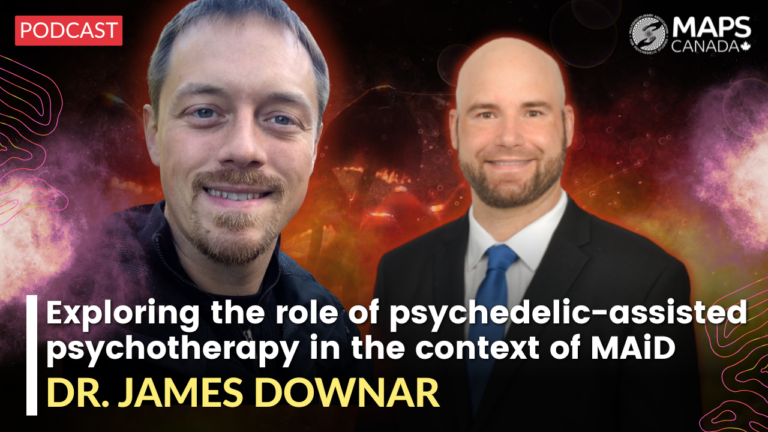
Discussing MAiD & psychedelic-assisted psychotherapy with Dr. James Downar
December 17, 2025
MAPS Canada presents:
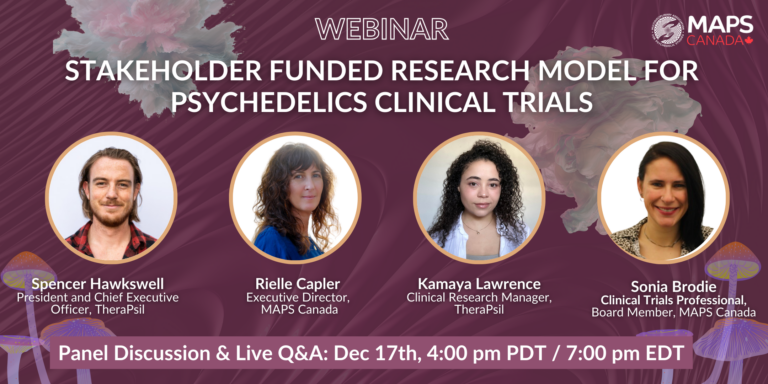
A Stakeholder-Funded Model for Psychedelics Clinical Trials
Wed, December 17th 7pm EST / 4pm PST
Therapsil recently launched a clinical trial in Canada exploring how psilocybin-assisted psychotherapy can improve overall wellbeing.
This initiative is unique for several reasons. In part because it does not target a particular disease state. Also, unlike typical industry-sponsored trials, this trial is “stakeholder-funded”, meaning that participants must pay to participate. Join us on Dec 17th to learn more about this innovative trial, the motivations behind it, and the scientific and ethical considerations that it evokes.
Learning Objectives:
- Describe the goals and design of Therapsil’s new psilocybin-assisted psychotherapy clinical trial.
- Differentiate stakeholder-funded clinical research from traditional industry-sponsored trials.
- Assess the potential benefits and challenges associated with stakeholder-funded models in psychedelic research.
- Understand the motivations behind launching a wellbeing-focused psychedelic trial at this time.
- Identify key scientific considerations, including study methodology, safety protocols, and outcome measures.
- Discuss the ethical questions raised by charging participants to join a clinical trial.
- Evaluate how this model could shape the future of psychedelic research and access pathways in Canada.
Panelists:
Kamaya Lawrence
Kamaya is a clinical research professional at the forefront of innovative and inclusive psychedelic science. With a background in neuroscience and a passion for bridging the gap between community health and research, Kamaya brings both academic rigor and heart-centered vision to her work. As Clinical Research Director at Hippo, she leads design and operations of clinical trials, including PsilWell, the world’s first patient-funded psychedelic clinical trial. As a research professional deeply committed to accessibility, Kamaya is passionate about empowering patient-funded studies that prioritize equity, participation, and meaningful care.
Spencer Hawkswell
Spencer Hawkswell is the President and CEO of TheraPsil, a Canadian non-profit that trains healthcare professionals and advocates for medical psilocybin regulations. He is also the founder of Hippo Science, a clinical research organization advancing patient-driven access to psychedelic therapies. Since 2019, Spencer has led national efforts to secure compassionate access to psilocybin and MDMA and has helped establish TheraPsil as a leader in psychedelic therapist training and clinical protocol development.
Through work at TheraPsil and Hippo Science, Spencer is developing a stakeholder-funded research model to generate high-quality clinical evidence across multiple indications for psilocybin, MDMA, and other psychedelic medicines. His focus is on creating ethical, accessible, and evidence-based pathways for regulatory approval and patient care.
Hosts:
Sonia Brodie
Sonia is a long-standing clinical research enthusiast with a wealth of experience in operationalizing pharmaceutical and medical device trials, balancing scientific rigor with a strong understanding of the unique considerations for psychedelic research. Her technical experience spans from protocol development, to regulatory applications, efficient study start-up processes, clinical trial management, establishing quality management systems and standard operating procedures, data analysis, and knowledge translation across a wide range of study types and interventions. She has consulted and advised on a variety of psychedelic research initiatives, including the world’s largest microdosing study, and established a clinical trials site for psychedelic research, which has consistently performed as the top enrolling site in Canada for several global Phase II and III randomized controlled trials. As Director of Growth and Partnerships with CaRe Clinics, her focus is on building and nurturing collaborative relationships with industry sponsors, CROs, healthcare providers, and policy makers to help bring more clinical trials to Canada. She is also on the board of directors for MAPS Canada.
Rielle Capler
Rielle has Masters in Health Administration and earned a PhD in Interdisciplinary Studies at the University of British Columbia, focused on access to medical cannabis under different regulatory frameworks in Canada. She has been engaged in cannabis and psychedelics-related research for over 20 years, and has published various research articles and book chapters. Rielle held a postdoctoral research fellowship at the B.C. Centre on Substance Use and is an Adjunct Professor in the School of Population and Public Health, in the Faculty of Medicine at the University of British Columbia. Rielle was on the board of directors for MAPS Canada for 3 years, and is currently the Executive Director .
MAPS Canada's Psychedelic Access CoP Committee presents:
Cannabis and Psychedelics: From Conceptualization to Care in Canada
From shifting laws to evolving therapeutic uses, the line between cannabis and psychedelics is more blurred than ever. This course explores where they align—and where they diverge.
Now open for registration!
Full Course Bundle includes 3 courses:
Course 1: Conceptualizations and Communities
Course 2: Mechanisms of Action, Clinical Research, Therapeutic Applications
Course 3: Legal Landscape and Policy Pathways